- 01388 775 104
- office@shildonsmilecare.co.uk
- Mon - Fri: 8.45am - 5pm





Periodontitis and diabetes are complex chronic diseases, linked by an established bidirectional relationship. Risk for periodontitis is increased two to three times in people with diabetes compared to individuals without, and the level of glycaemic control is key in determining risk.
Reference: Preshaw, P., Bissett, S. Periodontitis and diabetes. Br Dent J 227, 577–584 (2019).
Gum disease describes swelling, soreness and infection of the tissues supporting the teeth. Gingivitis is when the gums around the teeth become red and swollen. Long standing gingivitis can turn into periodontal disease. As the disease progresses, the bone anchoring the teeth in the jaw is slowly lost, making teeth loose. Patients with gum disease are likely to also suffer from abscesses.
All gum disease is triggered by plaque in susceptible patients. Plaque is a film of bacteria, which forms on the surface of teeth every day. Many bacteria are harmless but there are some bacteria in plaque, which have been shown to be the main cause of gum disease.
People that feature in the list below are at a higher risk for gum disease:
Over years, as gum disease progresses slowly, damage to gums may not be noticed and so bone is lost and teeth become loose and fall out.
Often bleeding gums is the first sign, which is noticeable when brushing or rinsing your mouth.
You may also have a bad taste in your mouth and bad breath.
You will be advised by the hygienist on how to clean your teeth and gums thoroughly. The hygienist
will use hand instruments and ultrasonic scaling instruments to remove plaque in inaccessible areas
under the gum. Local anaesthetic can be used to numb the gum if deep root cleaning is carried out.
No. Gum disease is never cured but it can only be controlled. If good hygiene is not maintained, gum disease will continue to worsen.
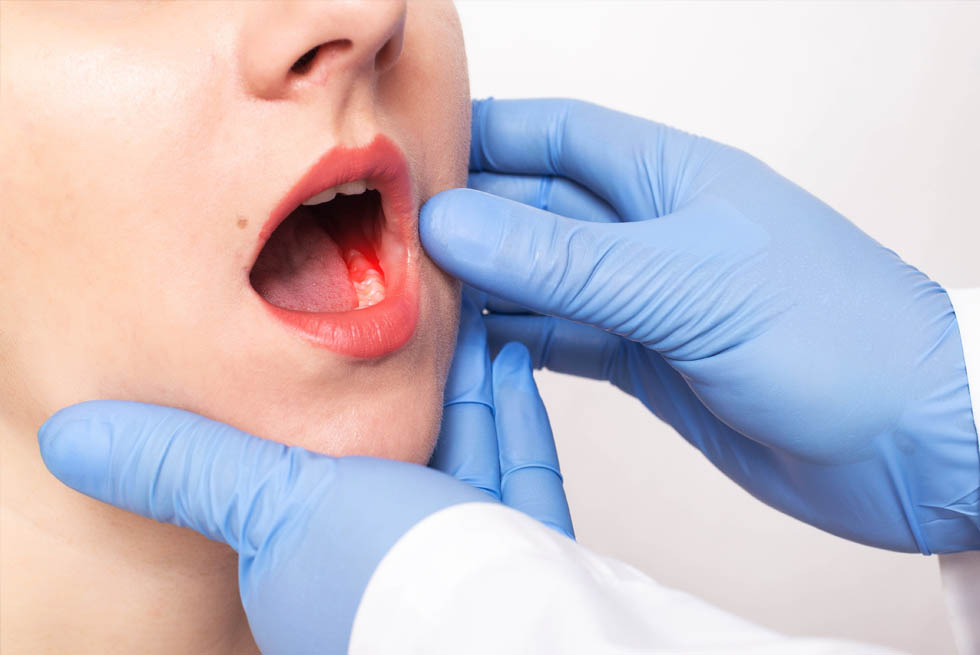

Also called dental hygiene, oral hygiene is the process of cleaning your teeth and gums. Regular oral hygiene practice is essential for the prevention of gum disease and cavities and for fresh breath.
Scaling, polishing, using a manual toothbrush, electric toothbrush, dental floss and interdental brushes. Antiseptic mouthwash can also be used as part of a good oral hygiene routine.
Oral Hygiene maintains the health of your teeth and gums. Without good oral hygiene you will ned up needing restorative dental treatments like fillings, crowns and bridges.
Twice a day for 2 minutes. Ideally this should be carried out in the morning and at night before you go to bed using a flouride toothpaste. Mouthwash can be used throughout the day to accompany your routine as it gets rid of bacteria and food particles.
Usually between 6 & 12 months is enough so long as your mouth is healthy.